Showing posts with label Photoshop. Show all posts

Friday, 7 June 2013

Update!

Along with the paintings, I'm making a pamphlet & business card. And possibly website (for the future considerations category in the marking guide...I think there is one). These are some spreads and cover ideas for the pamphlet. The cover will have black disappearing paint on the cover with orange stitching up the spine. Once people touch the pamphlet it will disappear showing a print under it. As of this moment, it will be the orange finger prints to reflect ergonomics and how people actually hold it. 
These pics show how I hold the pamphlet and position the prints.

After questioning many many people about it, the handprint option is a winner.


Friday, 31 May 2013

Last Few Weeks

There are only a few weeks left until this project is finally over. There are a few developments, a few set backs and just general work needing to be done. 
Here is some more stuff. I've been jumping back and forth for the final designs in thermo/acrylic paint. The categories i've narrowed the ideas into include: photo, abstract, metaphor, icon and pattern. 
As the pigments of the thermo-dyes are powdered I went to the local art shop North Shore Art Supplies and bought a $30 bottle of clear medium to mix it. Hope it works well. As i still dont have the dye, and probably wont until the 13th, ive been working on how to display and make the prototype. The local $2shop is having a 40% off sale (YAY), so im going to run up to grab some large frames. On sunday im in the city helping a friend with prop design, so ill run up to Recycled Garbage too and find something great to print/paint on. Im having difficulty deciding what to print on as it needs to be heat proof and also be able to be touched repeatedly without getting ruined. So some solutions include:
- printed paper/board/card with a plastic overlay
- printed paper/board/card with a glass overlay (frame)
- printed plastic/glass

The heating element has been a bit of a head-scratcher. I was torn between using arduino to control it, but ended up ripping up an electric heating sheet. Which was not fun. Also - RE-USE!
This Sunbeam Electric Blanket was made in New Zealand with 100% Polyester. Its 250volts~1amp~100watts. The PVC plastic used in the wiring & control components is a polyvinyl chloride plastic which is used in everything from pipes, shower curtains, plastic outdoor furniture and childrens' toys. It can be recycled and re-used however it takes a crapload of time and effort to reduce it down and have it degrade. I did have to test is, as i didnt know if it still worked. It does. And heats up so damn quick.

The next couple things I need to do (start, end, middle):
- Designs & individual names
- Name the series
- Visual Identity
- Final product (life cycle analysis - materials & processes)
- Postcard type material to reflect important info for presentation
- Render vids/pics
- Timelapse vid (borrowing a friends' camera and expertise...bribe with candy)
- Possible shopping website 
- Presentation visuals(pdf) & general speeching things


Saturday, 4 May 2013

Whoops

The last post was a bit of an overreaction. A massive overreaction. The kind of reaction you get when you put a mentos into a coke bottle. Turns out I had Richard and Karina. And I scared the crap out of them with my research and enthusiasm. I was feeling a little lack-luster after so I took a day and jumped onto evolo and found some random inspiration. 


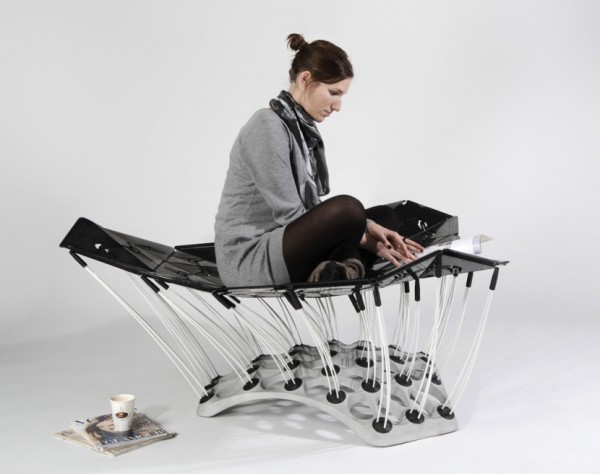
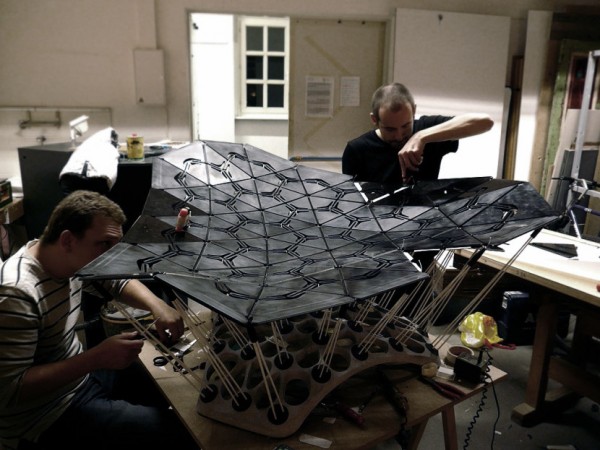
ChairBedStool
Design & Construction by Thoman Hiemann and Markus Dilger
Creates in the project group ID5, UdK Berlin with Prof. Burkhard Schmitz (no relation) and Katina Sostmann. 
I think, from the evolo page, that it was about "permanent adaption of the surface to the human body." By itself, the object looks like a reincarnated medieval torture device, due to its plastic clusters and elastic rods and geometric patterning and rigid segments and whatnot. BUT IT IS FREAKING AWESOME. It reacts to body movement and alters perceptions (or at least my perceptions) of static or stationary furniture. 
Im not entirely sure why this project is so interesting. Its a bit star-trekky. I want to see it in a long expansive structure. Adult trampoline.


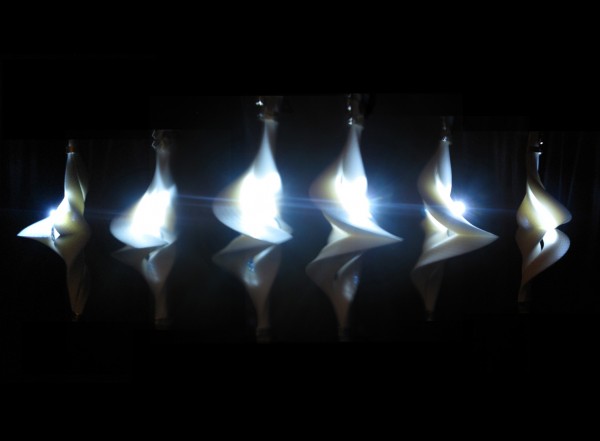
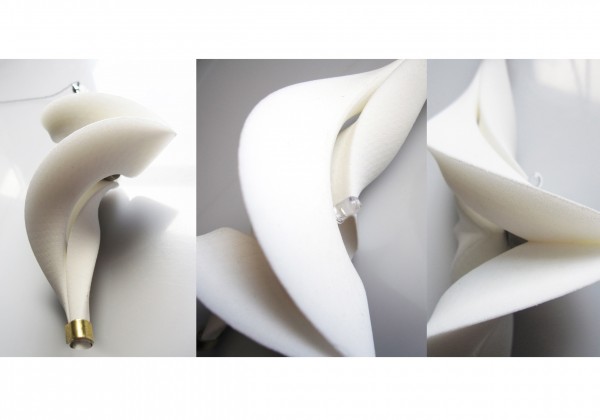
Designed by Dr. Margot Krasojević, the 3D printed nylon polymer lamp is suspended by a spindle. Its weight and form dictate the momentum as it spins which is affected by minor environmental change eg temp and current, all which change light patterns. Then there are some rather interesting words which talk about technology and physics. What I can decipher is that the light has been influenced by the physics behind ice skaters and spinning tops.
I think they are so interesting due to their convergence over a number of disciplines. To me they could represent energy efficiency, organic structure systems, dance, sea life, new forms of technologies, the combination of physics and design for interiors, art, etc etc. Maybe its ambiguity is what is intriguing to me. Without information on the product and no real conventions to rely on, its hardly a known object. Yep. It could be anything. I like that idea most of all.


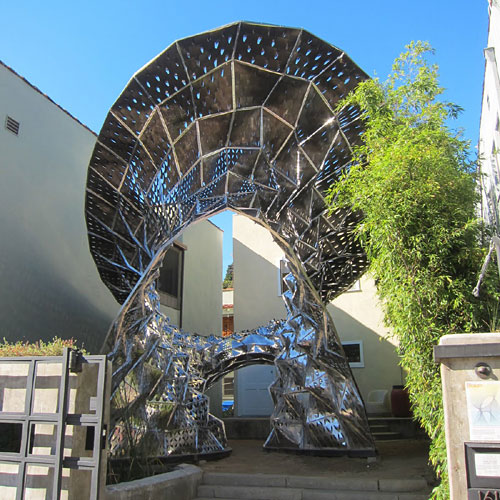
USC architect Prof. Doris Kim Sung design this "Bloom" installation made of 14,000 pieces of thermobimetal. That is, two thin sheets of metal with different expansion rates laminated together. The metal reacts to temperature with a direct correlation to the sun. I dont find the structure nearly as impressive as the technology itself. Metal that moves. Paradox!


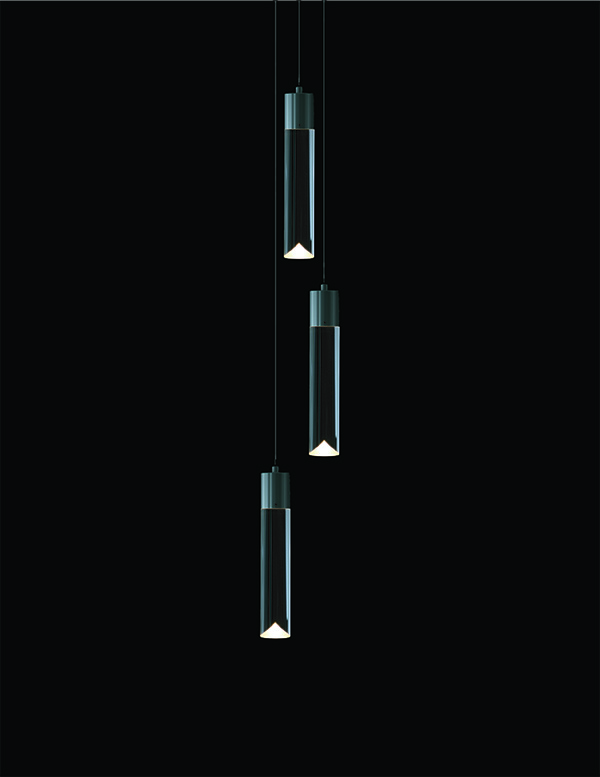
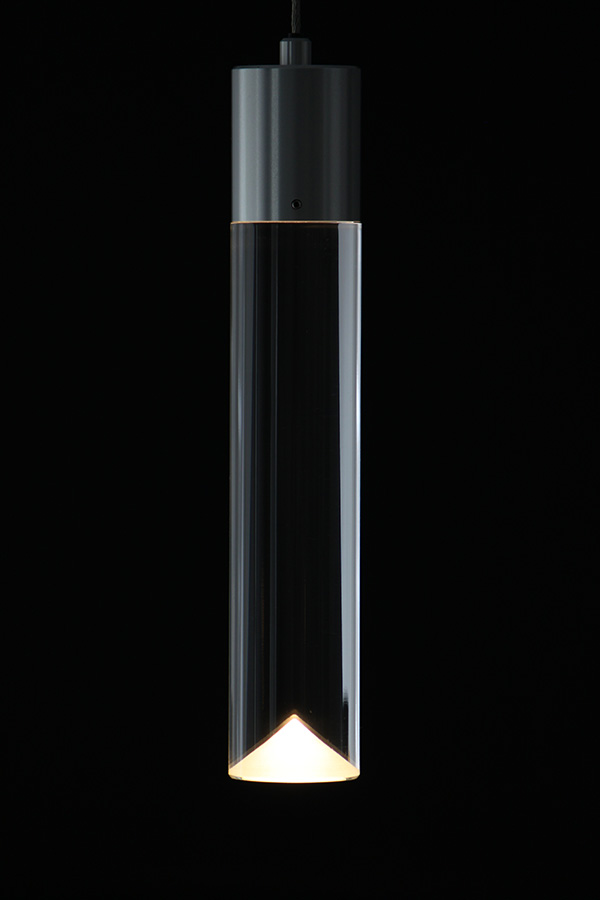
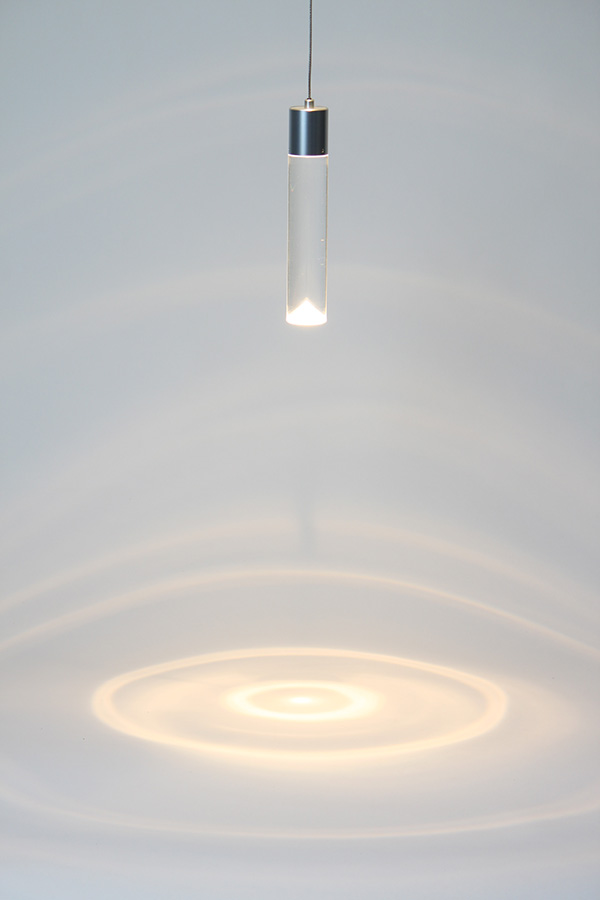
Saleem Khattak designed this energy efficient LED lighting, a luminaire that evokes the best qualities of incandescent lights: warmth, comfort and intimacy. Diffusers and cylindrical casing stops the glare from a visible light source. This is a perfect example of subtle complexity pwning overtly complex systems. I WANT ONE. Or a bunch. Put me down for a bunch. They have invert candle like qualities, in LED form.


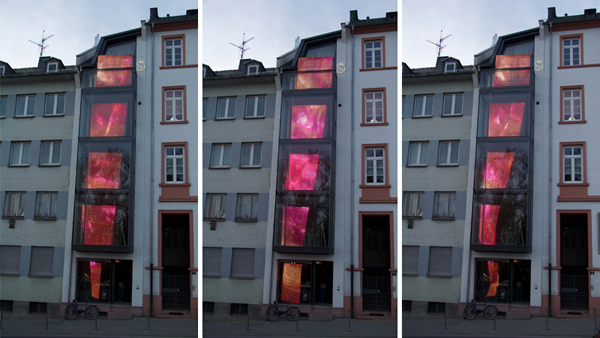
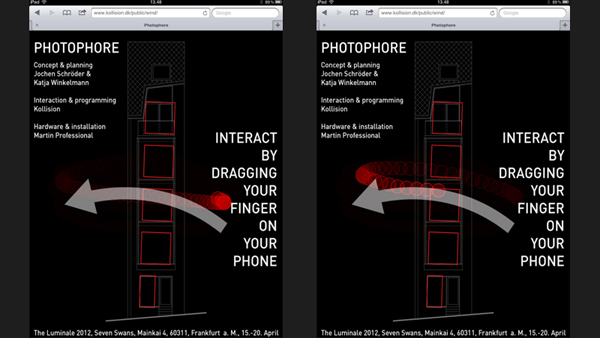
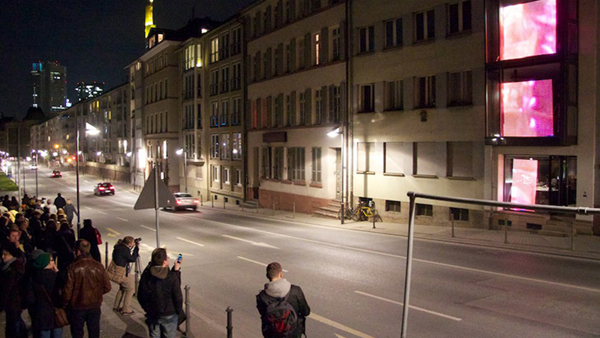
A 3D responsive veil operated by a smart phone. Designed for the Luminale 2012 in Germany, Kollision installation is a 5 story veil of light. People are able to scan those stupid QR codes into their phones and swipe the installation to the side. Jochen Schroder & Katja Winkelmann who planned the project along with Martin Professional (hardware & installation) and Kollision who developed the interaction & programmed the interactive player. They used photoshop software built in C++ and Cinder library to create the real-time 3D responsive wall. A website was built to assist the interaction.


I really like works that invite the audience to participate, engage and direct the result in some way. They provide a realisation of the audiences' affect on design and prove that the works are acknowledged on various levels of understanding. 

Saturday, 2 March 2013

Inspiration Point

The guys from Oglivy and Mather were hired by HSBC in India to develop a campaign for global warming. This was a pic I used for the first week "inspiring imagery" tute. Its pretty damn cool (no pun intended). 
So do I hit up the advertising route and subject myself to the pain and suffering of trying to find an angle that hasnt yet been hit? Changed my mind. I want to be a clown.   

Thursday, 4 October 2012

Container Living, 2012


An experimental design, with fellow designer Emily Sears, for emergency housing during sudden flooding.

Photography Magazine, 2011


An experimental photography magazine.

Architecture Magazine, 2011


A university magazine re-designed and marketed to architecture students in order to improve communication between the two degrees.